



Discover how IT risk management prioritizes immediate action over a complete asset inventory, ensuring better protection against known threats.

October 16, 2026
What we keep hearing from businesses is that many teams think their current cybersecurity tools are enough, until they face a threat that moves faster than any human can react.
AI in cybersecurity is transforming how organizations defend against cyber attacks by automating threat detection and response. Industry research shows that companies using artificial intelligence cybersecurity solutions can identify threats up to 60% faster than those relying on traditional methods.
"AI in cybersecurity helps organizations spot and stop threats before they cause damage."
This matters because cyber threats are growing more complex, and attackers are using advanced tactics to bypass defenses. With AI systems and generative AI, security teams can analyze huge amounts of data, spot unusual patterns, and respond quickly to incidents. Understanding how AI is used in cybersecurity gives you a real advantage in protecting your business and staying ahead of evolving risks.
AI in cybersecurity is not just a buzzword—it's a practical tool that changes how companies defend their networks. By using artificial intelligence, businesses can spot threats faster, automate responses, and reduce the workload on their security teams.
AI cybersecurity tools can process large amounts of data from different sources, making it easier to find hidden threats. This is especially important as cyber attacks become more frequent and sophisticated. With AI, your business can adapt to new risks and keep sensitive information safe.
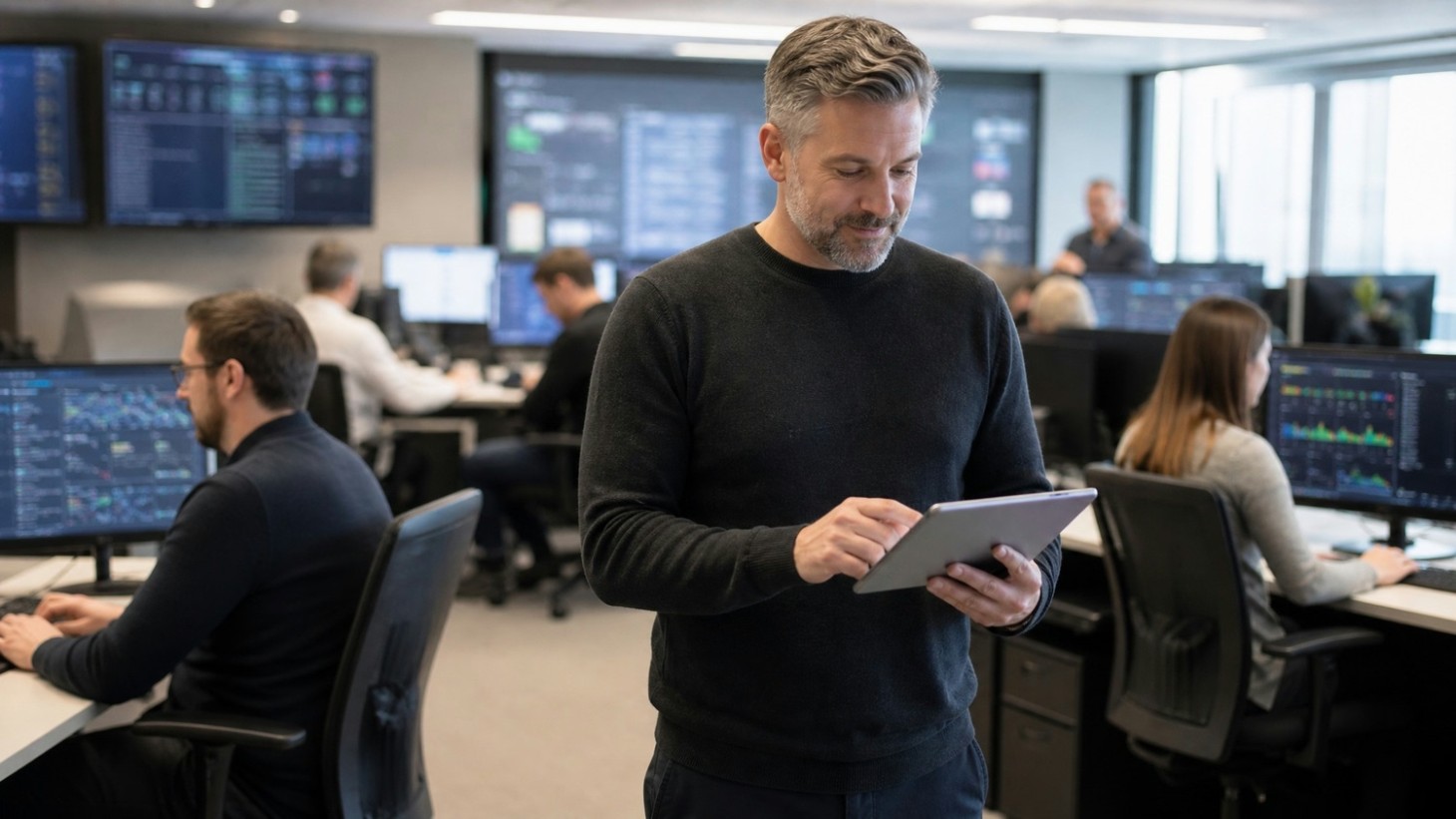
AI-powered cybersecurity tools are making a big impact. Here are five ways they're changing the game for businesses:
AI tools can scan network traffic and user behavior for unusual activity. This helps catch cyber threats early, often before they cause harm. Automated detection means your security team can focus on real problems instead of chasing false alarms.
When a threat is found, AI can trigger automatic responses—like blocking suspicious users or isolating affected systems. This quick action reduces the risk of data loss or downtime, giving your business a stronger defense.
AI systems gather and analyze data from across the internet, including new types of cyber attacks. This keeps your cybersecurity solutions up to date and helps you stay ahead of attackers.
AI models learn from past incidents and adjust their approach over time. This means your defenses get smarter, adapting to new tactics used by cybercriminals.
With more employees working remotely, AI helps monitor devices and connections outside the office. This keeps your network secure, no matter where your team is located.
AI in cybersecurity brings several important advantages:

The evolution of AI-driven cybersecurity has changed how organizations protect themselves. Early security tools relied on fixed rules, but attackers quickly learned to get around them. Now, AI-powered security uses machine learning to spot new and unknown threats.
This shift means businesses can defend against attacks that haven't been seen before. AI enables security operations to adapt quickly, using real-time data and advanced analytics. As cyber risks continue to grow, having AI in your security strategy is becoming a must for companies of all sizes.
AI is used in cybersecurity across many areas. Here are some key applications that work together to keep your business safe:
AI tools watch network activity 24/7, flagging anything unusual. This helps catch threats as soon as they appear.
Artificial intelligence can spot new types of malware by looking for patterns, even if the malware hasn't been seen before.
AI systems scan emails and websites for signs of phishing, warning users before they click on dangerous links.
By tracking how users normally act, AI can spot when an account is behaving strangely—often a sign of a compromised account.
AI helps identify which systems need updates and can even automate the patching process, reducing vulnerabilities.
AI can check that security policies are being followed, alerting you if something is out of place.
AI gathers information from other organizations and public sources, helping your team stay informed about new risks.
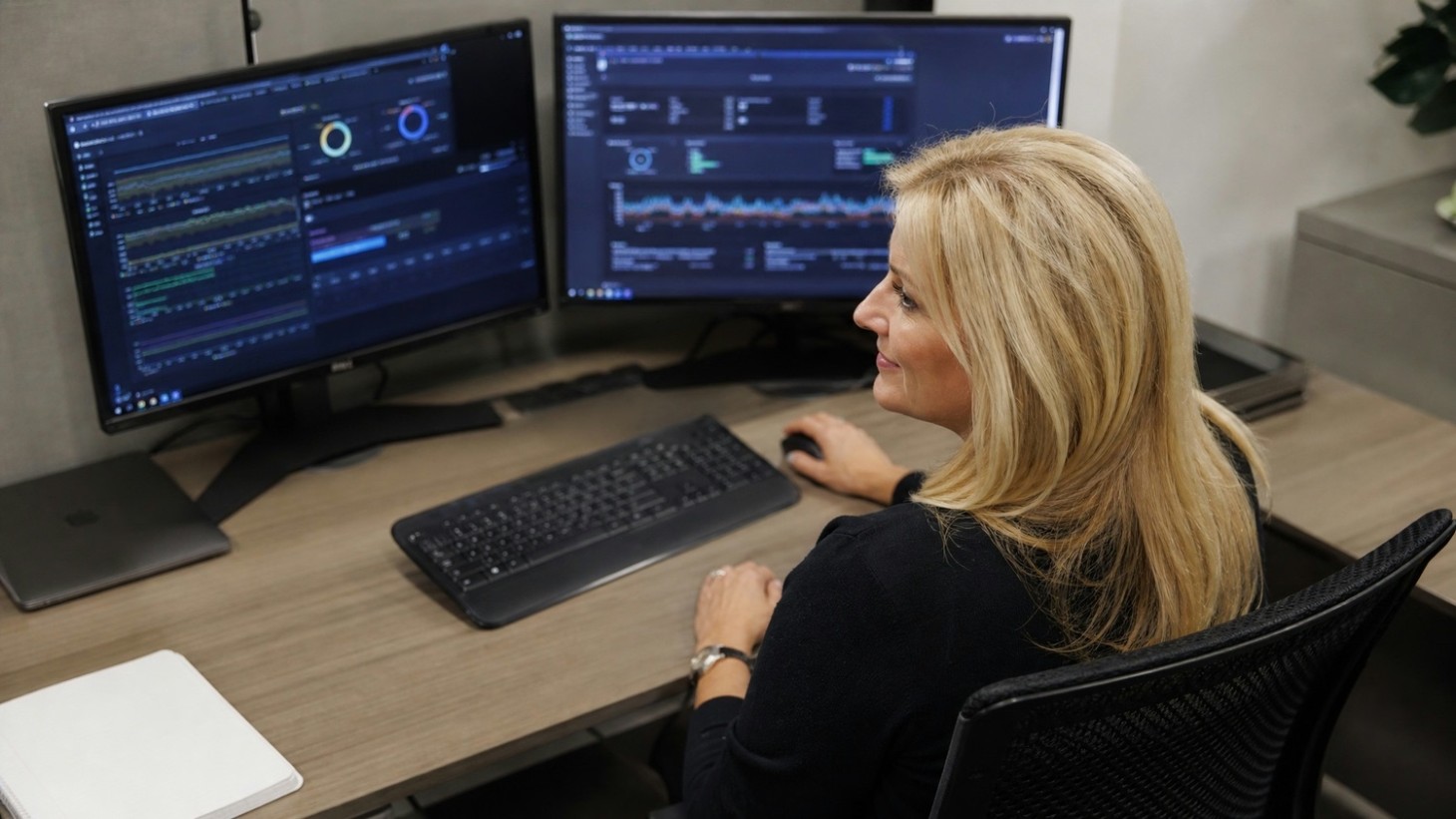
Adding AI to your cybersecurity strategy takes planning. Start by identifying where AI can add the most value—such as automating threat detection or improving response times. Make sure your team understands how to use the new tools and has the right training.
It's also important to choose AI solutions that fit your company's size and needs. Not every business needs the most advanced system—sometimes, a simple AI tool can make a big difference. Finally, keep in mind that AI is a tool to support your team, not replace them. Human oversight is still essential for making important decisions and handling complex incidents.
To get the most from AI in cybersecurity, follow these best practices:
Using these best practices helps your business stay secure and get the most value from your investment in AI.

Are you a business with 25 to 150 users looking to improve your defense against cyber threats? If your company is growing and needs reliable systems to keep data safe, AI in cybersecurity could be the answer.
Our team at Kelser Corporation specializes in helping businesses like yours choose and implement the right artificial intelligence cybersecurity solutions. We understand the unique challenges you face and can guide you through every step—from selecting the best AI tool to training your security team. Reach out to us to see how we can help you stay ahead of cyber risks.
AI in cybersecurity helps small businesses by automating threat detection and reducing the time it takes to respond to incidents. With AI systems, even smaller security teams can monitor large amounts of data and spot unusual activity quickly.
Using artificial intelligence, these businesses can defend against cyber threats that might otherwise go unnoticed. AI models can also adapt to new types of attacks, making it easier for small companies to stay secure without needing a large team of security professionals.
AI-powered cybersecurity tools offer faster threat detection and response than traditional methods. They can analyze more data and spot patterns that humans might miss.
By using AI tools, your security operations can focus on real threats instead of sorting through false alarms. This means your business is better protected and your team can work more efficiently.
Artificial intelligence is used in cybersecurity to scan emails and websites for signs of phishing. AI systems can also detect new types of malware by looking for unusual behavior or code patterns.
These tools help block dangerous messages before they reach users and stop malware from spreading. This makes it much harder for attackers to trick employees or infect your network.
AI risk in cybersecurity includes the chance of false positives or missed threats if the AI model is not trained properly. It's important to regularly update and test your AI systems.
Security teams should combine AI with human oversight to catch mistakes and make final decisions. This approach helps manage risks and ensures your defenses stay strong.
Cybersecurity professionals integrate AI by adding AI-powered features to their current security tools. This might include automated threat detection or advanced analytics.
They also train their teams to use these new features and monitor the results. By combining AI with traditional security measures, they create a more effective defense against cyber attacks.
Best practices for AI-driven cybersecurity include starting with a clear plan and setting goals for what you want AI to achieve. Regularly review and update your AI systems to keep up with changing threats.
Train your security professionals on how to use new tools and monitor their performance. This ensures your business gets the most benefit from AI while staying protected.