


Discover how IT infrastructure consulting can transform your business. A thorough assessment reveals hidden issues.

October 9, 2026
Most of the value in IT infrastructure consulting comes from the assessment phase, not from recommending new hardware or contracts. Businesses that skip a real assessment often end up paying for solutions that don’t address their actual problems.
Picture this: a company signs off on a costly network overhaul, only to find months later that the real slowdown was a misconfigured server nobody had inspected. That gap is where IT infrastructure consulting either earns its keep or fails you.
The failure, when it happens, traces back to one missing step: a thorough assessment. It's what separates a solution that actually fits your needs from one that just checks boxes, and skipping it can leave you with recommendations that solve the wrong problem entirely.
That's because IT infrastructure consulting is about more than technology sitting on a shelf—it's about understanding how your current systems support the way your business actually runs. The assessment phase is where consultants identify what's working, what isn't, and what truly needs to change.
Done well, it hands you a roadmap instead of a shopping list. Skip it, and you risk spending money on fixes that never touch the real issue.

Many businesses expect the biggest impact from IT consultants to show up when new hardware or software gets installed. Yet the real turning point happens much earlier, in the assessment phase, where the consultant studies your current setup, reviews your processes, and listens to your team.
This is when hidden problems surface. What looks like a network issue on the surface can turn out to be a process bottleneck or a misconfigured server underneath, and skipping this step means treating symptoms while the cause stays untouched.
A strong assessment also builds trust, because it shows the consultant is focused on your needs rather than pushing the latest product. That tone carries through the rest of the project, keeping decisions grounded in facts instead of assumptions.
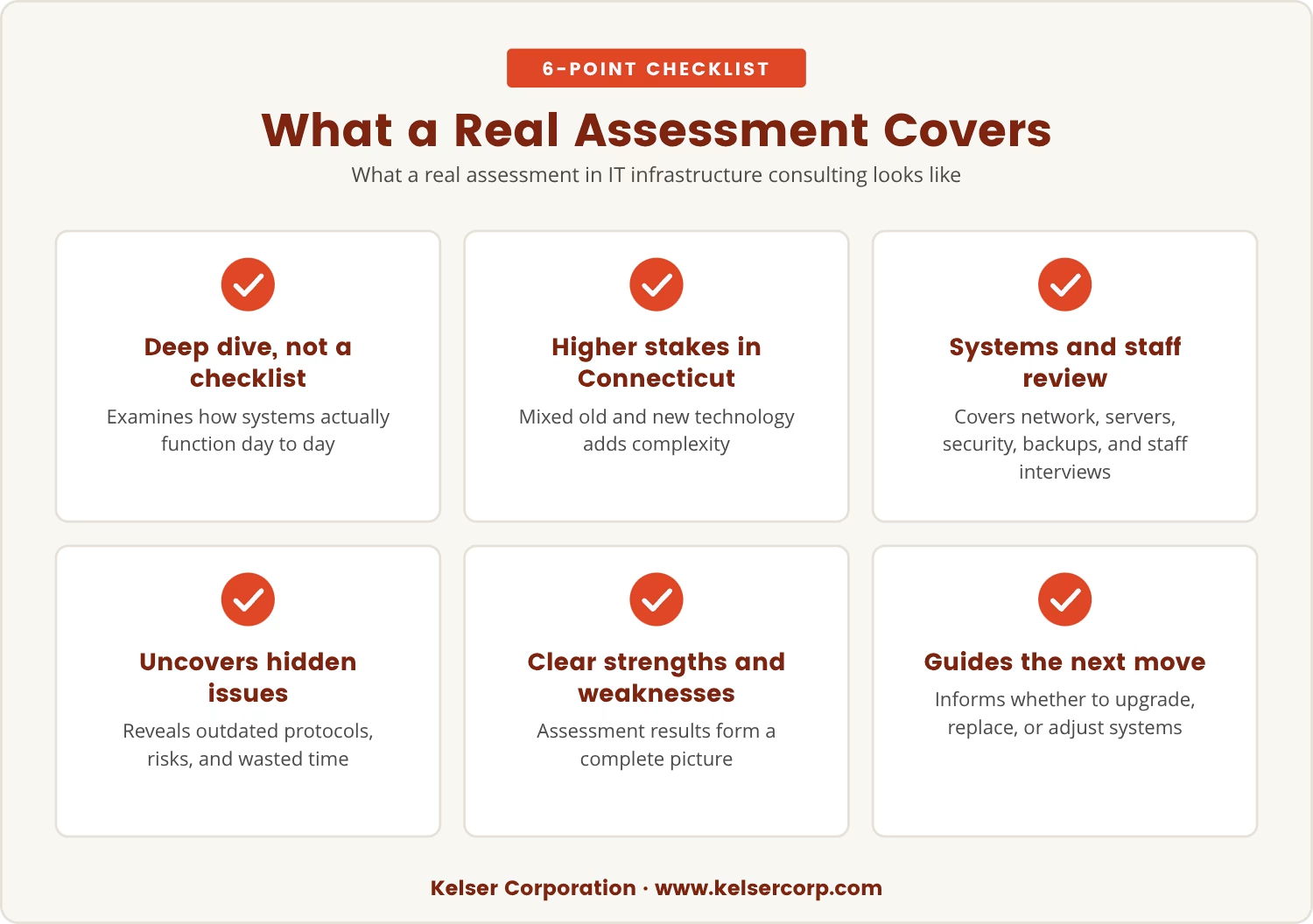
A proper assessment goes well beyond a quick checklist—it's a deep dive into how your systems actually work day to day. In Connecticut, where many businesses run on a mix of old and new technology, this step carries even more weight.
Consultants examine your network, servers, security measures, and backup systems, then talk with your staff to understand pain points and see how IT supports daily operations. This process often reveals issues that aren't obvious at first glance, like outdated protocols, overlooked security risks, or workflows that quietly waste time.
By the end, you should have a clear picture of your strengths and weaknesses. That picture is what guides the next move, whether it's an upgrade, a replacement, or simply adjusting how you use what's already in place.
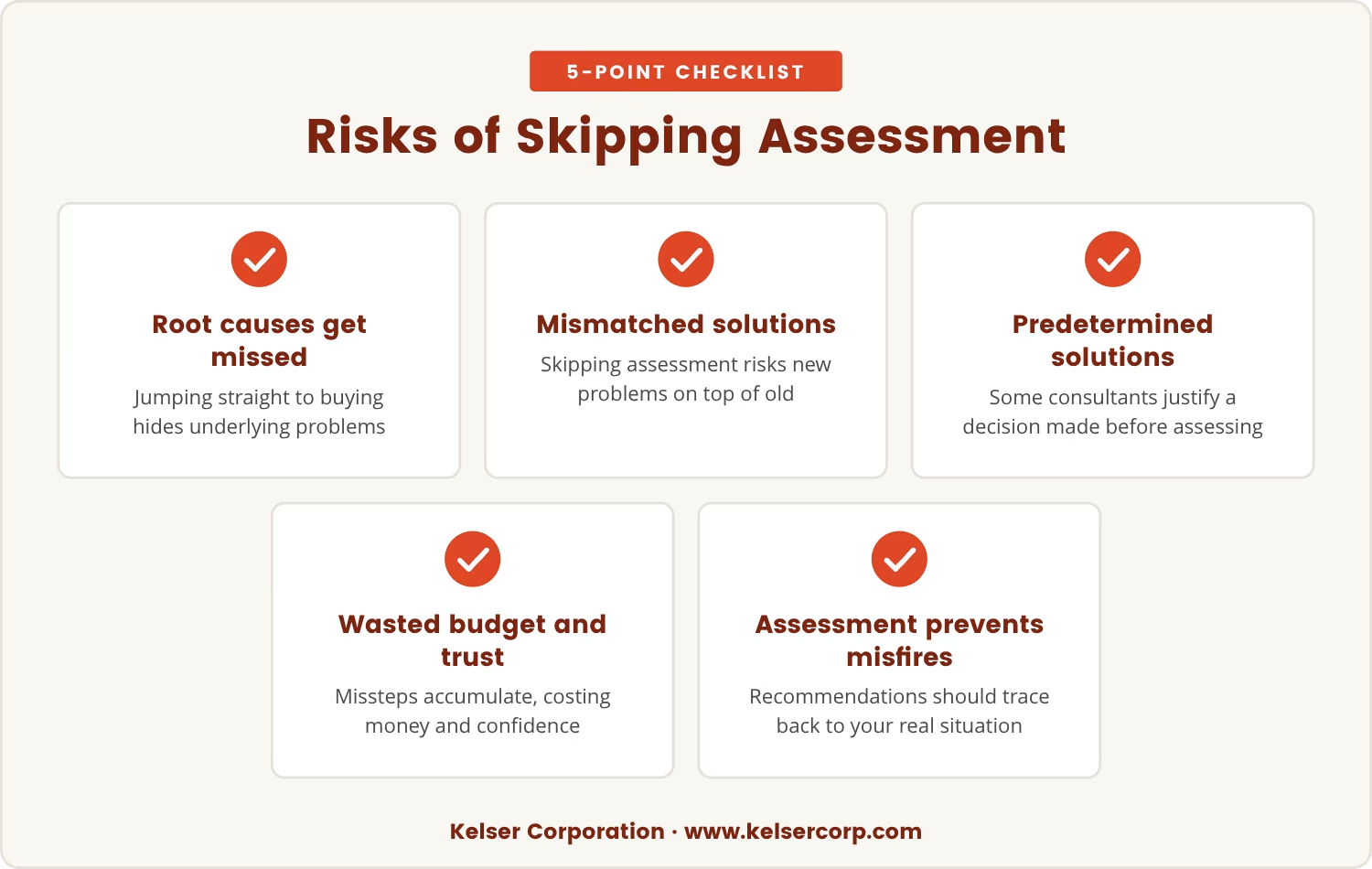
When a business jumps straight to buying new technology or signing a service contract, the root cause of its problems is easy to miss. Without a real assessment, you might end up with a solution that doesn't fit your needs, or worse, one that creates new problems on top of the old ones.
Consultants who skip this phase often end up justifying a solution they'd already decided on before they walked in the door. That approach can leave you paying for changes that don't actually improve your operation, and over time these missteps add up, draining both your budget and your trust in the IT partner you hired.
A careful assessment guards against exactly this. It ensures every recommendation traces back to your actual situation rather than industry trends or vendor incentives.
A high-value assessment phase includes several critical steps. Here's what you should expect:
Consultants need to know what your organization is trying to achieve. That understanding shapes every recommendation that follows.
A detailed look at your servers, network, and security measures shows what's working and what needs attention.
This step uncovers vulnerabilities or inefficiencies that could impact your business performance or security.
Talking to staff at different levels reveals practical challenges and opportunities for improvement.
A good assessment closes with a report that spells out what was found and what steps come next.
Because a thorough assessment doesn't just list problems, it connects them to your business goals. If a team in Hartford is struggling with slow file access, for instance, the assessment might trace the issue to network configuration rather than the hardware everyone assumed was to blame.
That level of detail means the eventual recommendation is tailored to your actual needs, not a generic fix. You avoid unnecessary spending and get changes that make a real difference, while also gaining a way to prioritize: the most pressing issues get addressed first, instead of guesswork deciding where to start.
Investing in a real assessment sets the stage for solutions that actually work, and it keeps you out of the trap of paying for fixes that never touch the true problem. Over time, this approach leads to more reliable systems, fewer surprises, and a budget that's spent where it counts.
The point was never buying the latest technology—it's making sure every change actually supports the business behind it. That's where the real value of IT infrastructure consulting lives.

Many organizations in Connecticut fall between 25 and 150 users, with most in the 25 to 70 user range, and Kelser Corporation understands the challenges that come with managing IT at this scale. We know it’s easy to feel pressure to jump straight to new technology, but a careful assessment is what makes the difference.
If you want to see how we approach IT assessments—or want a conversation about your own setup—our team is ready to help you get started.
We’ll match your current IT costs and give you 10% off your first year if you qualify, so you can see the impact of a true assessment without extra risk.
Most assessments for businesses with 25 to 150 users can be completed in one to two weeks. The exact timing depends on the size and complexity of your systems, as well as how quickly your team can provide access and information.
Expect a clear, written summary of your current setup, identified risks, and practical recommendations, written in plain language and tied directly to your business goals.
Internal staff can handle some reviews, but outside consultants bring a fresh perspective and specialized tools, often spotting issues that familiarity or day-to-day time pressure causes internal teams to miss.
A thorough assessment identifies where IT can better support the business, making it easier to scale, improve efficiency, and sidestep costly mistakes—groundwork that sustainable growth depends on.
Skipping the assessment phase raises the odds of buying systems or services that don't fit your needs, which can mean wasted resources, unresolved problems, and a frustrated team left to work around them.